

conformal coating impact circuit board assembly
Conformal coating is a protective layer applied to circuit boards to safeguard them against environmental factors, such as moisture, dust, chemicals, and temperature extremes. This thin film of material conforms to the contours of the board, covering components, traces, and solder joints, providing a barrier that prevents potential damage or corrosion. While conformal coating offers numerous benefits for circuit board assembly, its application and impact are multifaceted.
One of the primary advantages of conformal coating is its ability to enhance the reliability and longevity of electronic devices. By shielding circuit boards from moisture and other contaminants, conformal coating helps prevent corrosion and electrical short circuits that can lead to malfunctions or complete failure. This protection is particularly crucial in harsh operating environments, such as industrial settings or outdoor applications, where exposure to moisture and contaminants is common.
Moreover, conformal coating can improve the resistance of circuit board assembly to thermal shock and mechanical stress. The flexible nature of many conformal coating materials allows them to absorb and dissipate mechanical vibrations and thermal expansion, reducing the risk of damage to solder joints and components. This added resilience helps extend the lifespan of electronic devices, even in demanding conditions where temperature fluctuations and mechanical shocks are prevalent.
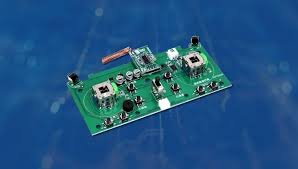
How does conformal coating impact circuit board assembly?
Another benefit of conformal coating is its ability to enhance the electrical insulation properties of circuit boards. By providing a dielectric barrier between conductive elements, conformal coating reduces the risk of electrical leakage or short circuits, especially in densely populated assemblies where components are closely spaced. This insulation can also improve the overall reliability and safety of electronic devices by minimizing the potential for electrical faults or hazards.
Furthermore, conformal coating can facilitate the miniaturization of electronic devices by allowing for closer component placement and tighter packaging. The thin and uniform layer of coating adds minimal bulk to the circuit board, enabling designers to optimize space utilization and improve the overall efficiency of the assembly. This flexibility in design can lead to more compact and lightweight electronic devices without sacrificing performance or reliability.
However, the application of conformal coating also introduces challenges and considerations in circuit board assembly. Proper surface preparation is essential to ensure adhesion and uniform coverage of the coating, as contaminants or residues can interfere with bonding and lead to defects. Additionally, care must be taken to avoid coating critical components, such as connectors or heat sinks, which may require special masking or selective application techniques.
Moreover, the selection of the appropriate conformal coating material is critical to achieving the desired level of protection and performance. Different coating materials offer varying properties, such as chemical resistance, flexibility, and transparency, which must be matched to the specific requirements of the application. Factors such as operating temperature range, exposure to harsh chemicals or solvents, and ease of rework or repair should be considered when choosing a conformal coating material.
In conclusion, conformal coating plays a significant role in circuit board assembly, offering protection against environmental factors and enhancing the reliability and performance of electronic devices. While the application of conformal coating introduces challenges and considerations, proper planning and selection of materials can help manufacturers mitigate risks and achieve optimal results. By leveraging the benefits of conformal coating, manufacturers can produce electronic devices that meet the demanding requirements of modern applications while ensuring long-term reliability and durability.