

Flexible PCBs More Expensive
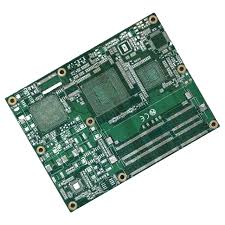
The PCB, or printed circuit board, is the insulating and connecting structure that holds the electrical components of your product. It is fabricated from an epoxy resin and glass fiber base material with copper pre-bonded to both sides. The copper is then etched away to expose the conductive patterns and circuits. PCBs can be either rigid or flexible and some devices may use both types of boards. Designing and manufacturing a rigid or flexible pcb board maker has a few different requirements that must be met. This includes design rules that dictate minimum space, trace width, and other factors. A rigid PCB can be fabricated from several materials, and there are various options available to reduce costs while still meeting your design requirements.
The cost of a PCB depends on the amount of material required, the size, and the specific type of components to be used. The more complex your PCB is, the more it will likely cost to produce. Some of these factors are beyond the control of the fabricator, but other aspects can be reduced significantly by a few simple changes.
A custom PCB can be less expensive than a standard board, as it is designed to meet the exact specifications of your product. This reduces the need for re-work and adjustments, which can lead to lower overall production costs. In addition, the process is usually more streamlined, which means that your board will be ready to ship faster.
Are Flexible PCBs More Expensive?
Rigid flex PCBs are exponentially more expensive than traditional rigid boards, and this is largely due to the raw materials that are needed. Rigid flex manufacturers typically need to utilize no-flow prepreg, which is more costly than the hard board prepregs used by hard board manufacturers. This is because the no-flow prepreg has to offer just enough flow to fill the circuits on the hardboard areas, but not so much that it flows out into the flex areas and contaminates them.
Another factor is that a rigid flex PCB requires more layers, which increases the manufacturing cost. This is because holes must be drilled through each layer, and this can be a time-consuming process when the PCB is thick or has a high density of layers. Additionally, the type of hole that is required, whether it is surface-mount or through-hole, also impacts the fabrication cost.
The final PCB price will be determined by the fabricator based on a number of different factors. This is why it is important to provide as much detail about your project as possible so that the fabricator can give you a more accurate and detailed quote. In addition, the technology that the HDI Rigid flex PCB manufacturer uses to fabricate the boards will impact the cost, as each fabricator has its own set of tools and processes for creating high-quality products. This is why it is essential to work with a reputable and experienced manufacturer.