

Piano Translation and Piano Transcription
Piano transcription is the process of writing down a piece of music originally written for another instrument in a form that can be read by musicians playing piano. This could be a note-for-note sheet music or a musical arrangement of the piece with different instruments. It could also be a creative translation of the piece into a style or genre that would be appropriate for a pianist. For example, a jazz improvisation may be transcribed for solo piano. The same is true for pieces composed to be played by an ensemble. The Beethoven Symphonies are famous examples of this type of transcription.
The act of creating piano transcriptions and arrangements has been a popular activity in music for centuries. For example, composers have transcribed folk songs from their country of origin for use in their own compositions. The earliest written examples of this practice come from the Middle Ages. In the modern world, music is often transcribed to create sheet music for performances by professional musicians or to make it available for amateur performers. This can be accomplished in a number of ways, including using notation software.
Music transcription can take place at a number of different levels, from frame-level to the notation of individual notes and their timing. The higher levels of transcription involve understanding the underlying structure of the music, such as chord progressions and other musical symbols, and require a deeper level of musicianship. In these instances, the transcriber often uses specialized music notation software to create a symbolic representation of the original piece.
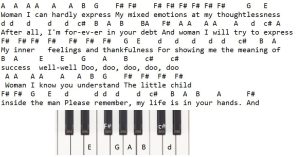
What is Difference Between Piano Translation and Piano Transcription?
One example of this is Jeremy Denk’s recent Nonesuch album, in which he plays a selection of transcriptions of Renaissance vocal pieces from the likes of Dufay and Josquin. He is able to capture the musical nuances of these old works, such as the light-voiced vibrato of the singing voice or the timbres of various lutes.
The most common form of transcription involves rewriting a piece of music to play on the piano or some other instrument. This can be done for a variety of reasons, from the desire to preserve a musical composition in its original form to the practical need to make a piece of music accessible to a group of musicians who might not have the resources to perform it with other instruments. For example, Mozart transcribed several opera overtures and songs for small wind ensembles because they were frequently used in cafes or restaurants to provide entertainment.
A pianist who transcribes a piece of music for performance must be in tune to perform it. This involves the ability to recognize pitches based on their frequency, and it requires either relative or perfect pitch. In addition, the pianist must be able to accurately transcribe the rhythm and tempo of the piece to determine its durations. In cases of sudden tempo changes, this can be challenging. For these reasons, many classical musicians favor transcriptions and arrangements in which the rhythms are not too fast or too slow.