

PCB manufacturing support consumer electronics
Printed circuit boards (PCBs) are fundamental components in the realm of consumer electronics, serving as the backbone for a wide array of devices ranging from smartphones and tablets to smart home appliances and gaming consoles. PCB manufacturing plays a crucial role in supporting the consumer electronics industry by enabling the integration of complex electronic systems, enhancing performance, and facilitating innovation. Understanding how PCB manufacturing underpins consumer electronics reveals its significance in modern technology.
One of the primary ways PCB manufacturing supports consumer electronics is by enabling the creation of complex circuit designs. Modern electronic devices often incorporate numerous components, including microprocessors, memory chips, sensors, and power management units. PCBs provide a compact and organized platform for these components, allowing for intricate interconnections that facilitate seamless communication and functionality. Advanced PCB manufacturing techniques, such as multilayer designs, allow for increased component density without compromising performance. This capability is particularly important in consumer electronics, where size and weight are critical considerations.
PCB manufacturing directly impacts the performance and reliability of consumer electronics. High-quality materials and manufacturing processes ensure that PCBs can withstand the demands of high-speed signals and thermal management. For instance, the choice of substrate materials, such as FR-4 or high-frequency laminates, influences the electrical properties and thermal performance of the PCB. Furthermore, precise manufacturing techniques, including controlled impedance routing and soldering, contribute to improved signal integrity and reduced electromagnetic interference. By producing reliable pcb manufacturing, manufacturers can enhance the overall performance of consumer electronics, resulting in devices that operate efficiently and effectively.
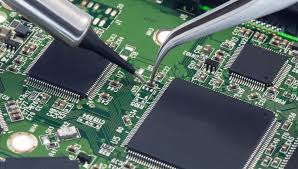
How does PCB manufacturing support consumer electronics?
The trend toward miniaturization in consumer electronics is a driving force in PCB manufacturing. As devices become smaller and more compact, manufacturers must adopt innovative approaches to design and production. PCB manufacturing techniques, such as surface mount technology (SMT), enable the use of smaller components and more efficient layouts, contributing to the reduction of overall device size. This miniaturization not only enhances the portability of consumer electronics but also opens up new possibilities for design and functionality, allowing for the development of sleek and lightweight devices that meet consumer preferences.
PCB manufacturing is at the forefront of innovation in the consumer electronics sector. As technology evolves, manufacturers are continually exploring new materials, designs, and processes to enhance the capabilities of PCBs. For instance, the emergence of flexible PCBs has enabled the development of wearable devices and flexible displays, creating entirely new categories of consumer electronics. Additionally, advancements in manufacturing technologies, such as additive manufacturing and 3D printing, are paving the way for rapid prototyping and customization, allowing manufacturers to bring innovative products to market more quickly. This continuous drive for innovation ensures that consumer electronics remain dynamic and responsive to changing market demands.
As consumer awareness of environmental issues grows, PCB manufacturing has adapted to support sustainability in the electronics industry. Manufacturers are increasingly focused on producing eco-friendly PCBs by minimizing waste, using recyclable materials, and adhering to regulations such as the Restriction of Hazardous Substances (RoHS) directive. Sustainable manufacturing practices not only reduce the environmental impact of consumer electronics but also appeal to environmentally conscious consumers. By prioritizing sustainability, PCB manufacturers contribute to the overall credibility and acceptance of consumer electronics in the marketplace.
Cost-effectiveness is a critical consideration in the consumer electronics industry, and PCB manufacturing plays a vital role in achieving this goal. By optimizing production processes, manufacturers can reduce costs while maintaining quality. Techniques such as automated assembly and efficient supply chain management help lower production costs, allowing companies to offer competitive prices for their products. Cost-effective PCB manufacturing ultimately benefits consumers by making advanced technology more accessible.