

GRC Ensure Proper Corporate Governance
The modern business landscape is rife with complex regulations, risk, and compliance issues. In this environment, GRC ensures proper corporate governance by ensuring that day-to-day operations are aligned with strategic goals and proactively managing risks. It also helps organizations meet regulatory standards and reduces the likelihood of non-compliance penalties or reputational damage.
GRC offers a common framework and language for various departments to communicate with each other, creating transparency and visibility across the organization. This article explores the latest trends and best practices in governance risk compliance, helping businesses shape a robust grc governance risk compliance strategy that meets their unique needs.
GRC has become one of the most popular terms in the business world, encompassing everything from the boardroom to IT systems. But what does GRC really mean? As defined by OCEG (Open Compliance and Ethics Group), GRC is “an integrated collection of capabilities that enable an organization to reliably achieve objectives, address uncertainty, and act with integrity.”[1] In other words, it’s all about how a company manages its own internal risk and maintains consistent compliance with external regulations.
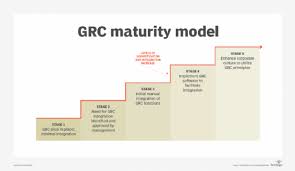
How Does GRC Ensure Proper Corporate Governance?
Many GRC solutions offer an enterprise-wide approach to governance, risk management and compliance. They integrate systems, provide data visibility and consistency and are supported by industry-leading GRC software to help businesses meet the challenges of today’s business environment.
Implementing grc governance risk compliance requires commitment from both leadership and teams. Getting buy-in starts with a clear communication of the importance of building a risk-aware corporate culture. It also includes clearly defining roles and responsibilities for different departments such as legal, IT, HR, finance, and lines of business. Finally, it’s important to test the GRC framework with a department or two before rolling it out across the organization.
Once teams are on board, they can focus on developing and executing processes that support the four key components of the GRC model: learn, align, perform and report. This enables organizations to establish strong governance structures, mitigate potential risks and build a culture of compliance with regulatory requirements.
By integrating governance, risk, and compliance activities, organizations can reduce the duplication of efforts, enhance operational efficiency, and improve the transparency of business operations. The combined approach provides a holistic view of the organization’s risk landscape, allowing leadership to make informed decisions that take into account the internal and external factors that could affect business success.
One of the key benefits of a GRC framework is its ability to create a consistent approach across the entire organization. This consistency is critical in ensuring that everyone, from the executive team to employees, is aligned with the organization’s values, objectives, and regulatory requirements. A GRC strategy creates standardized processes for managing risks and ensuring compliance with industry-specific regulations. By having a unified approach, organizations are better equipped to address complex challenges, such as rapidly changing regulatory landscapes, cybersecurity threats, and global business risks, in an efficient and coordinated manner.
As a result, an effective GRC program can help companies avoid costly mistakes and improve overall business performance. For example, it can identify a potential security breach before it occurs or prevent an operational disruption caused by a third-party vendor. This can save a company millions of dollars and strengthen customer trust.