

robotics play in circuit board assembly companies
In the ever-evolving landscape of circuit board assembly, robotics have emerged as a transformative force, revolutionizing production processes and driving efficiency, accuracy, and innovation. From automated component placement to soldering, inspection, and packaging, robotics play a multifaceted role in circuit board assembly companies, enabling them to meet the demands of modern electronics manufacturing. This article explores the pivotal role of robotics in circuit board assembly and highlights its impact on productivity, quality, and competitiveness.
One of the primary functions of robotics in circuit board assembly companies is automated component placement. Robotic pick-and-place machines equipped with high-speed cameras and precision actuators can rapidly and accurately position surface mount components onto PCBs with micron-level accuracy. By eliminating manual handling and reducing human error, robotic placement systems enable companies to achieve higher throughput, tighter component density, and improved placement accuracy, resulting in enhanced productivity and reliability of circuit board assemblies.
Moreover, robotics play a crucial role in soldering processes, where precision and consistency are paramount for creating reliable electrical connections. Automated soldering systems, such as selective soldering machines and robotic soldering irons, enable precise deposition of solder paste and controlled application of heat to form solder joints between components and PCBs. These systems ensure uniform solder distribution, optimal wetting, and minimal thermal stress, resulting in high-quality solder joints with excellent mechanical and electrical properties.
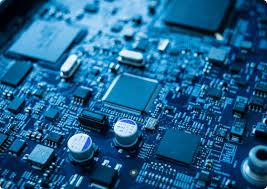
What role do robotics play in circuit board assembly companies?
In addition to component placement and soldering, robotics facilitate advanced inspection and testing processes in circuit board assembly companies. Automated optical inspection (AOI) systems equipped with high-resolution cameras and image processing algorithms can quickly and accurately inspect PCBs for defects, such as solder bridges, missing components, and misalignment. Similarly, robotic X-ray inspection systems enable non-destructive testing of hidden solder joints and internal structures, providing valuable insights into the integrity and quality of assemblies.
Furthermore, robotics play a vital role in packaging and handling operations, where precision and efficiency are essential for ensuring the integrity of finished products. Robotic arms equipped with grippers, conveyors, and vision systems can automate tasks such as depanelization, sorting, stacking, and packaging of assembled PCBs, reducing cycle times and minimizing the risk of damage or contamination. By streamlining packaging processes, robotics enable circuit board assembly companies to improve throughput, reduce labor costs, and enhance overall operational efficiency.
Moreover, robotics contribute to the flexibility and adaptability of circuit board assembly companies, allowing them to quickly reconfigure production lines, switch between product variants, and accommodate custom orders with minimal downtime. Programmable robotic systems can be easily reprogrammed or retooled to handle different PCB sizes, shapes, and configurations, enabling companies to respond rapidly to changing market demands and customer requirements. This agility is particularly valuable in industries with short product lifecycles or high demand for customization, such as consumer electronics and automotive manufacturing.
Additionally, robotics enhance workplace safety by automating hazardous or repetitive tasks, minimizing the risk of injuries and ergonomic strains for workers. By assuming responsibility for tasks such as heavy lifting, repetitive motion, or exposure to hazardous materials, robotic systems help create a safer and healthier work environment for employees, reducing the incidence of work-related injuries and improving overall job satisfaction and morale.
In conclusion, robotics play a central role in driving efficiency, precision, and innovation in circuit board assembly companies, enabling them to meet the evolving demands of the electronics industry. From automated component placement and soldering to inspection, testing, packaging, and handling, robotic systems streamline production processes, improve quality, and enhance competitiveness. As technology continues to advance and manufacturing requirements become more complex, the role of robotics in circuit board assembly will only continue to grow, shaping the future of electronics manufacturing.